Know Thyself: How to Effectively Communicate with Everyone You Meet
Truly knowing who you are is arguably the most important piece of knowledge any person can have. That's a grandiose statement, sure, but think about how hard it is in a job interview to respond to “So, tell me about yourself.” What do you say? “My name is Marc. I'm a husband and father. For 12 years I was a firefighter, the last five I spent in Special Operations. Now I'm an associate broker in DC and Virginia and a salesperson in Maryland, and I lead a team of agents that serve Washington, DC, Maryland, and Virginia. I love playing music, going to Broadway shows, and traveling in Europe.” That's probably something like what most of us would say but I doubt you really feel like you know me. You may be interested in hearing about my time in the fire department or ask me about my vacation in Italy, but I didn't really give you any insight into who I am, how I process information, how I operate best in a work environment. You may like me, but would you hire me?
Every new interaction I have with a potential client is an ongoing series of “So tell me about yourself.” moments. That's why I give myself a little head start by trying to understand the most common types of people I come across. For that, I use what's known as the DISC assessment to help me get a baseline on how certain types of people process information. It's important to state here that the information being delivered isn't what changes. The integrity of the information is what's most important and adapting communication style does not compromise the substance of our interactions. It's the way I deliver that information that feels personal.
My DISC Profile: The Editor (Cs)
I'm an Editor (Cs). We tend to be characterized as meticulous, diligent, observant, and collected with a calm demeanor. I thrive on details and structure, making informed decisions based on thorough analysis and data. I have a hard time when people disregard ‘the rules’ but I possess a strong ability to remain objective in emotional situations. If you want to make a good impression on me, you should give me a few options to choose from, provide data backing up your point, and present proven facts instead of anecdotal stories. Here's one thing I love: be prepared for us to have a lengthy conversation. I joke with clients that I'm an Italian kid from New Jersey so we love to talk.
So now that you know me, and understanding that these strategies are based on general tendencies and that individual variations do exist, here's how I use these assessments when meeting new people:
Dominance (D): For professionals like senior staffers in Congressional offices, or someone who's an analyst or consultant, who are often goal-oriented and decisive, I need to communicate as directly and with as much focus on outcomes as possible. As you can tell by my assessment, this is something I need to consciously guide myself to do. If I'm meeting a potential 'D' client, I present clear, concise information that highlights bottom-line impacts. Knowing this is a massive advantage.
Influence (I): With charismatic leaders, CEOs, some politicians, etc. it's important to engage their visionary side. They focus on big-picture narratives that are inspiring and forward-looking, often discussing potential growth and the broader impact of their investment decisions.
Steadiness (S): People in roles requiring high levels of trust like attorneys, doctors, or senior officials in government, appreciate a steady and consistent approach. They like to know what's happening even when nothing is happening. I know that I need to prioritize building relationships and trust through reliable and consistent communication.
Conscientiousness (C): For people like financial analysts and economists who value accuracy and detail, I lean into analytics and data. A detailed market analysis, potential ROI, and a meticulous presentation on comparable data, are often central to our discussions.
The real power of understanding these personality profiles lies in the ability to align communication strategies with client expectations and needs. This not only enhances the effectiveness of interactions but also builds lasting relationships based on trust and mutual understanding. It's not just about making sales, but about fostering partnerships that are built on a deep understanding of mutual business and personal goals.
So, now you go. Tell me about yourself…
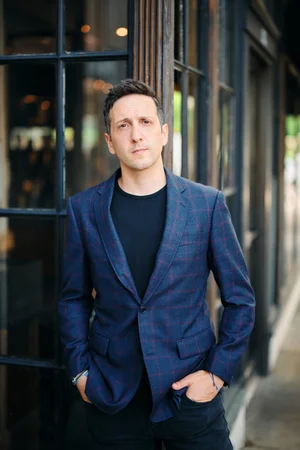
Marc Cashin is the Founder and CEO of FORWARD at Corcoran McEnearney, representing buyers and sellers in Washington DC, Maryland, and Northern Virginia. This article was first published on LinkedIn.